13951507983
When a hydraulic cylinder fails, we need to disassemble it for repair or replacement. Many engineers encounter difficulties in disassembling hydraulic cylinders and are concerned about not releasing the air inside, which can lead to explosions, making them hesitant to disassemble the cylinder. What preparatory work is needed before disassembling a hydraulic cylinder? What precautions should be taken when disassembling a hydraulic cylinder? What are the steps for disassembling a hydraulic cylinder? After disassembling the hydraulic cylinder, what aspects should be checked and how should they be inspected?
Precautions for Disassembling Hydraulic Cylinders
1. Before disassembling the hydraulic cylinder, depressurize the hydraulic circuit. Otherwise, when the pipeline connected to the cylinder is loosened, high-pressure oil in the circuit will rapidly spray out. When depressurizing the hydraulic circuit, loosen the pressure adjustment screw on the handwheel or relief valve to release the pressure oil, and then cut off the power to stop the hydraulic device.
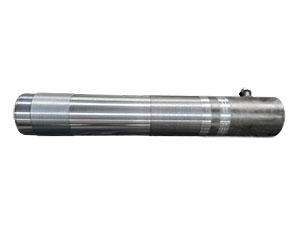
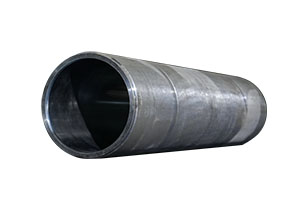
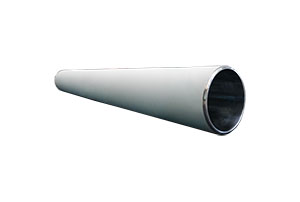
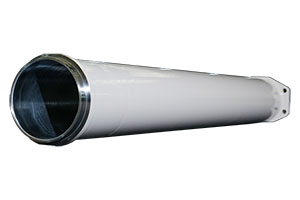
**Hydraulic Cylinder**
2. Disassemble in sequence. Due to the different structures and sizes of various hydraulic cylinders, the disassembly sequence may vary slightly. Generally, the double-chamber hydraulic oil should be drained, then the cylinder cap should be removed, and finally, the piston and piston rod should be taken out. When disassembling the cylinder cap, use specialized tools for internal card-type connections and snap rings. Do not use a flat spade. For flange-type end covers, they must be ejected using screws. Hammering or hard hitting is not allowed. When the piston and piston rod are difficult to remove, do not forcibly eject them; carefully identify the specific reasons before disassembling.
3. When disassembling, prevent damage to the piston rod end, oil port, piston rod surface, and cylinder sleeve inner wall. To prevent bending or deformation of slender components like the piston rod, apply wooden support for balance when placing them.
4. Before and after unloading, create conditions to prevent hydraulic cylinder components from being contaminated by surrounding dust and impurities. For example, disassemble in as clean an environment as possible; after disassembling, cover all components with plastic cloth, and do not use cotton cloth or other work cloth.
5. After disassembling the gas cylinder, carefully inspect which components can continue to be used, which can be used after repair, and which must be replaced.
Wuxi Tianhou Machinery Co., Ltd. Company Address:No. 2 Runyuan Road, Luoshe Town, Huishan District, Wuxi City, Jiangsu Province
Contact Phone:13951507983 | Contact Person: Manager Ping
Contact Phone